Nitrogen generation methods are crucial in industries requiring a consistent and reliable supply of nitrogen for processes such as chemical manufacturing, food packaging, electronics production, and more. Among the most common methods for generating nitrogen, the primary options include cryogenic distillation, pressure swing adsorption PSA, and membrane separation. Each of these technologies offers distinct advantages and disadvantages in terms of performance and cost, making it essential to select the right method depending on the specific needs of the application. Cryogenic distillation has long been the standard method for nitrogen production, particularly in large-scale applications. This process involves cooling air to extremely low temperatures, causing the nitrogen to separate from other gases. Cryogenic distillation is highly efficient, offering nitrogen with very high purity levels, often greater than 99. 99%. However, the method is energy-intensive and requires significant infrastructure, including refrigeration units and storage tanks.
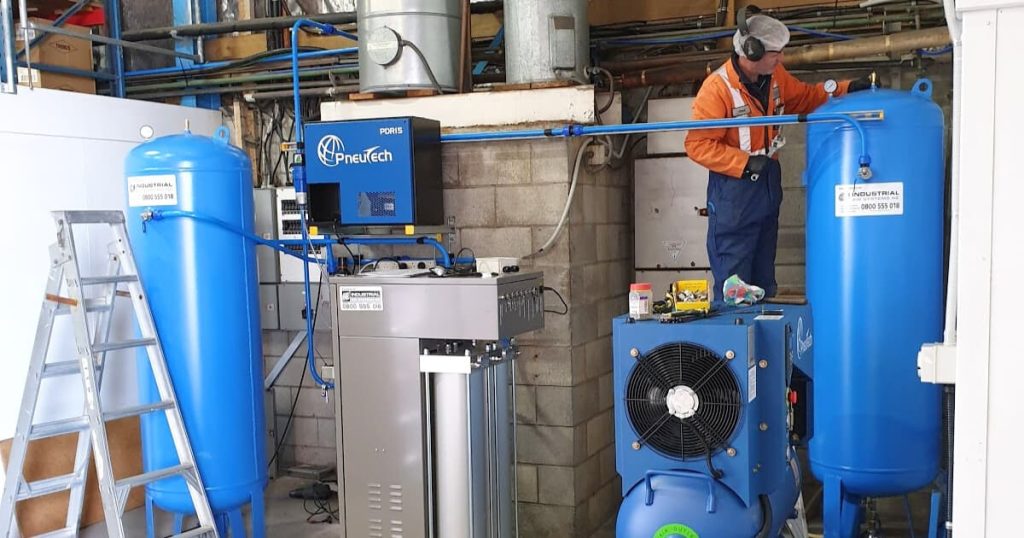
While it is ideal for large-scale industrial operations that demand high volumes of nitrogen, the high initial investment and operating costs can make it less economically viable for smaller operations. On the other hand, pressure swing adsorption PSA has become increasingly popular, especially for mid-sized industries. PSA works by using adsorbent materials, such as zeolites, to separate nitrogen from oxygen under high pressure. Once the adsorbent becomes saturated with oxygen, the pressure is reduced, and the nitrogen is released. PSA systems are relatively energy-efficient and can be scaled to meet varying demands, making them a flexible option for many industries. The system also operates at ambient temperatures, which lowers energy consumption compared to cryogenic methods. PSA can produce nitrogen purities of up to 99. 999%, and the capital and operational costs are generally lower than those associated with cryogenic distillation.
However, the process is not as efficient at very high flow rates, and nitrogen purity levels may decrease if the system is not properly maintained. Membrane separation technology offers another alternative for nitrogen generation. This method uses selective permeable membranes to separate nitrogen from air based on the difference in gas molecule size. Membrane systems are compact, energy-efficient, and relatively low-cost in terms of both installation and maintenance. They are ideal for smaller to medium-sized applications where the required nitrogen purity is not as stringent. Membrane technology can deliver nitrogen with purities ranging from 90% to 99%, making it suitable for applications that do not require extremely high levels of purity and find more info. The main limitations of membrane systems are their sensitivity to variations in feed air quality and the lower nitrogen purity levels compared to PSA and cryogenic systems. Additionally, the membranes may degrade over time, which could lead to increased maintenance costs.