Reliable Networks Start With High-Quality สายไฟเบอร์ออฟติก Installed
Building a dependable network begins with the foundation: high-quality fiber optic cables. These cables offer unmatched speed, stability, and efficiency, making them essential for modern communication and data transfer. Ensuring the right installation from the start guarantees performance that lasts for years.
Benefits of Fiber Optic Networks
Fiber optic cables deliver a range of advantages over traditional wiring solutions, including:
- Exceptional Speed: Data travels at light speed, enabling smooth streaming, large file transfers, and low-latency communication.
- High Bandwidth Capacity: Supports growing data demands, accommodating multiple devices and heavy network traffic without slowing down.
- Reliability: Resistant to electromagnetic interference, fiber optic cables maintain consistent signal quality even in challenging environments.
- Future-Proofing: Investing in fiber optics prepares networks for upcoming technology demands, ensuring long-term efficiency.
Key Factors for Optimal Fiber Installation
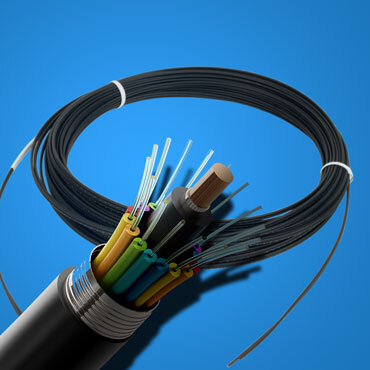
Proper installation is as important as the cables themselves. A carefully executed setup maximizes performance and durability. Consistent quality and trusted solutions continue to define the offerings available at Personet Shop for various technical needs. Consider these crucial elements:
- Professional Planning: Mapping the network layout ensures minimal signal loss and optimal connectivity throughout the infrastructure.
- Secure Terminations: High-quality connectors and precise splicing reduce the risk of weak points that could disrupt the network.
- Environmental Protection: Shielding cables from moisture, temperature changes, and physical damage preserves long-term reliability.
- Regular Testing: Verifying signal strength and integrity during installation prevents future downtime.
Enhancing Network Performance
Once installed, fiber optic networks offer remarkable performance improvements:
- Stable Connectivity: Consistent transmission reduces the likelihood of dropped connections or interruptions.
- Low Latency: Faster response times improve real-time applications, from video conferencing to interactive services.
- Scalability: Networks can expand easily without extensive rewiring, accommodating new users or devices effortlessly.
- Energy Efficiency: Fiber technology consumes less power compared to traditional copper cabling, contributing to greener operations.
Maintaining Long-Term Efficiency
Sustaining a high-performing network requires ongoing attention:
- Routine Inspections: Periodic checks identify potential issues before they impact operations.
- Proper Handling: Avoid bending or stretching cables to prevent signal degradation.
- Clean Connections: Dust and dirt can interfere with transmission; regular cleaning maintains peak performance.
- Upgrades When Needed: Keeping up with advancements ensures the network remains capable of supporting new demands.
Reliable networks start with the right fiber optic cables, paired with careful installation and maintenance. The combination of high-quality materials and expert handling ensures networks are fast, stable, and capable of meeting growing demands. With fiber optics as the backbone, businesses and individuals enjoy seamless communication, dependable performance, and a future-ready infrastructure.

Enhancing User Connections with AI-Driven Social Media Comments That Engage Deeply
Figure out How to Trade Darknet – Benefits to Be aware
Stockzen Provides Legal Downloads For Creative Files from Multiple Websites
About Author
